Call Us Today!
Call Us Today!

Many houses and commercial buildings use gates to improve safety. Be it a residential or commercial setting, the gate matters. Residential gates are primarily focused on aesthetics and privacy, offering a welcoming appearance while ensuring the privacy of the inhabitants. In contrast, commercial gates emphasize durability and access control, designed to handle heavy usage and provide robust security measures.
Knowing what sets a residential gate apart from its commercial variant can help you make an informed decision. Key features such as material strength, design, and security capabilities play a crucial role in your selection process.
Contact TurnKey Gates today to find the perfect gate solution for your needs!
Residential gates prioritize aesthetics and security for homes, while commercial gates focus on functionality, security, and access control for businesses. Residential gates enhance curb appeal and provide privacy. Commercial gates handle high traffic and ensure business safety.
 Purpose: Serve home security and aesthetic purposes.
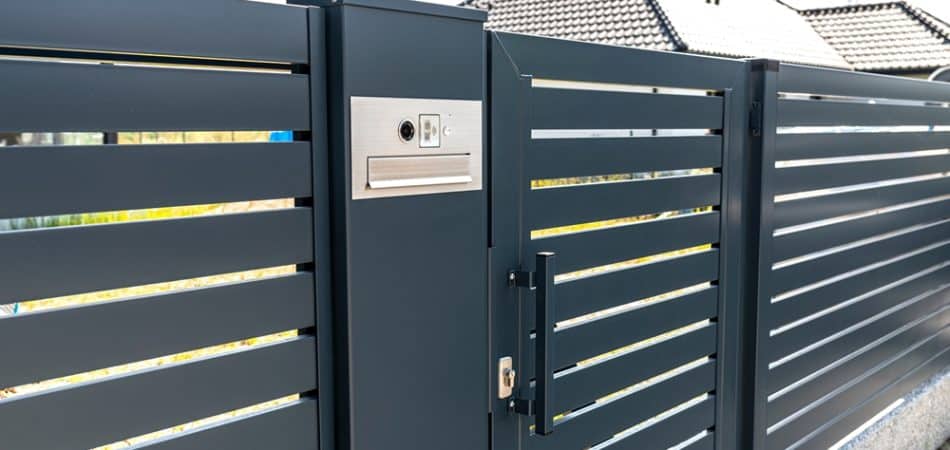
Residential gates blend with the home’s design, coming in various styles from traditional to modern. Homeowners have many customization options. A residential gate, made from materials like wood, wrought iron, or aluminum, adds a personal touch. Each material offers a different look and feel. Some people prefer ornate designs with intricate details, while others choose sleek, minimalist styles. The goal is to match the gate with the house’s architecture.
Commercial gates focus on functionality over looks, often featuring straightforward designs. Businesses need gates that provide security and accessibility. These gates are typically uniform in appearance, ideal for businesses that don’t prioritize aesthetics. Steel and aluminum are popular choices since they’re strong and easy to maintain. Height is another factor in commercial gate design; taller gates offer more security and help control access points effectively.
The main differences lie in their purpose and style. Residential gates enhance the look of your home and come in many styles to match your preference. On the other hand, commercial gates prioritize functionality, providing security and ease of access for businesses with simple but effective designs.
The material and construction of residential and commercial gates differ based on their specific functional and aesthetic requirements. The choice of materials plays a significant role in determining the gate’s longevity and appearance. Construction techniques vary to meet the unique demands of residential and commercial environments.

Residential gates are made from durable and good-looking materials like wood, aluminum, wrought iron, and vinyl. Wood provides a classic look but needs regular maintenance. Aluminum offers a modern appearance and resists rust. Wrought iron is strong and can have intricate designs. Vinyl requires low maintenance and comes in various styles. Residential gates often feature detailed designs due to lower usage demands. They prioritize both security and visual appeal.
Commercial gates need maximum durability and security. They use strong materials like steel, heavy-duty aluminum, and galvanized metal. Steel is tough for heavy use. Heavy-duty aluminum is strong and resists corrosion. Galvanized metal doesn’t rust easily in bad weather. Commercial gates are simpler in design but robust in construction.
The main differences lie in materials and construction focus. Residential gates emphasize aesthetics alongside durability using varied materials like wood and vinyl. Commercial gates prioritize strength and security with heavy-duty metals like steel. They must meet specific regulations for commercial properties to control vehicle access efficiently.
Residential gates offer basic security features like locks and intercoms, while commercial gates incorporate advanced systems like access control and surveillance.
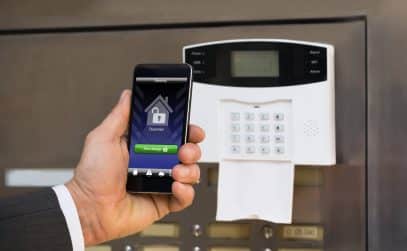
Residential gates offer basic security features. These include locks and manual or automated opening systems. Many homes use video intercoms, keypads, and remote access for additional security. These features help deter casual intruders effectively.
Most residential gates also integrate with fencing and fence panels. This setup enhances the overall security of the property. Homeowners often choose these gates for their convenience and functionality.
Commercial gates come with advanced security features. High-security locks and reinforced structures are common in these setups. These gates are designed to handle higher security risks.
Access control systems play a significant role in commercial settings. Keycards and biometric scanners are frequently used to control entry. These systems manage large volumes of traffic efficiently.
Many commercial facilities also employ surveillance methods. Cameras monitor entrances to prevent unauthorized access. This ensures an additional layer of safety for businesses.
Both residential and commercial gates can have access control systems. In homes, simple keypads or remote controls are typical. For businesses, more sophisticated systems like keycards or biometrics are used.
These systems provide multiple benefits:
Access control is crucial for maintaining safety standards in various environments.
Surveillance is another important aspect of gate security. Residential properties might use basic cameras at entry points. Commercial properties often require extensive surveillance networks.
Surveillance helps monitor activities around the gate area. It deters potential intruders and provides evidence if needed.
Residential gates offer basic security features like locks and intercoms, and many homes use video intercoms, keypads, and remote access for added security. These features help deter casual intruders effectively. Most residential gates also integrate with fencing and fence panels, enhancing the overall security of the property. Homeowners often choose these gates for their convenience and functionality.
 Commercial gates come with advanced security features such as high-security locks and reinforced structures, designed to handle higher security risks. Access control systems play a significant role in commercial settings, with keycards and biometric scanners frequently used to control entry. Many commercial facilities also employ surveillance methods, with cameras monitoring entrances to prevent unauthorized access, ensuring an additional layer of safety for businesses.
Both residential and commercial gates can have access control systems. In homes, simple keypads or remote controls are typical, while businesses use more sophisticated systems like keycards or biometrics. These systems provide multiple benefits, including enhanced security, controlled access, and monitoring capabilities. Surveillance is another important aspect of gate security, with residential properties using basic cameras and commercial properties often requiring extensive surveillance networks to deter intruders and provide evidence if needed.
Choosing the right gate for your property is essential for both security and aesthetic appeal. Residential gates enhance curb appeal, offering a range of materials like wood, aluminum, wrought iron, and vinyl to suit various architectural styles. These gates provide basic security features such as locks, intercoms, and video surveillance, ensuring the safety and privacy of your home. Additionally, they integrate seamlessly with fencing and fence panels, creating a cohesive look while enhancing overall property security.
On the other hand, commercial gates focus on robust security and functionality. Made from durable materials like steel, heavy-duty aluminum, and galvanized metal, these gates are designed to withstand heavy usage and harsh conditions. Advanced access control systems, including keycards, biometric scanners, and surveillance cameras, manage entry and monitor activities, ensuring only authorized personnel access the premises.
Whether you’re looking to enhance the elegance of your home or secure your business, TurnKey Gates offers tailored solutions to meet your specific needs. Contact us today to upgrade your entrance with both style and strength!
 Turnkey Gates